安全整體性等級 (SIL)
為確保系統在緊急情況下不會對人和環境的安全構成威脅,您必須針對系統的功能安全進行系統設計。因此,SIL 規範是工廠工程和建設的關鍵安全標準,尤其是在化工製程產業。
SIL 表示安全整體性等級。它是一種用於對系統的功能安全進行分類的國際度量標準。SIL 分為 SIL1 到 SIL4 四個等級,第四個等級涵蓋的風險是最高級別的,因此需要最嚴格的措施。這代表您可以利用元件的故障機率 來準確地評估風險、 採取措施 將剩餘風險降至最低、選擇 適合的裝置 最終則是透過重複測試以確保 SIL 功能合規性。
SIL 安全標準
SIL 分類依據兩個國際標準:IEC 61508 和 IEC 61511。
IEC 61508(「電氣/電子/可程式設計電子安全系統的功能安全」)為基本標準。它描述了如何評估風險以及要設計合適的安全功能所需的措施。因此,它還包括對安全迴路各個元件的要求。這些元件包括感測器(如壓力感測器、溫度感測器和液位計)或電子信號值比較和輸出單元以及自動製程閥。
IEC 61511(「製程產業安全儀表系統的功能安全」)專門適用於製程自動化。它主要針對要求較低的低需求應用場合,即為標準實務。其中,IEC 61511 包含感測器和驅動器的選擇標準,例如以操作可靠性為考量點。
SIL 流程分為四個步驟
如果您是工廠的安裝人員或操作員,且您的工廠存在危及員工、居民或環境安全的可能性,那麼您必須盡可能降低風險。IEC 61508 和 61511 標準為此規定了四個關鍵步驟:
1. 風險定義和評估:首先要確定感測器、控制器和驅動器等所有元件在工廠整個使用壽命中出現故障的概率。
2. 措施的定義和實施:定義並實施適當的措施來最小化剩餘風險。
3. 使用合適的設備:工廠能成功進行 SIL 迴路測試的先決條件是元件和元件組均適合各自的等級,必要時需經過認證。
4. 重複測試:操作員以規定的時間間隔監控安全功能的合規性。
1. 風險定義和評估
我的工廠存在哪些潛在危險?化工產業中製程工廠的每個工程師都必須思考這個問題。一張風險圖可以幫助您解答這個問題,它依據 IEC 61508 和 61511 標準結合四個定義的參數形成了一個決策樹:
1. 損害的嚴重程度 (S):可預見的後果有多嚴重?
2. 頻率和接觸時間 (F):人員多久一次進入危險區?人員會在危險區停留多久?
3. 避免/降低危險 (P):我能預防或控制事件嗎?
4. 發生的可能性 (W):預計多久會出現一次事故?
實務經驗表明,與安全相關的風險通常存在於細節中,並且通常只有在運作製程中才會顯露出來。系統分析已經可以在規劃製程中識別出這些弱點。在 Festo,我們將根據您的需求提供符合規定的風險評估和功能安全解決方案,無論是完整的系統解決方案、精心規劃的自動化技術還是單一元件。在此階段,請隨時諮詢我們。
2. 措施的定義和實施
透過對工廠的系統風險評估還揭示了哪些因素提高了SIL要求。其中有一些是既定因素,例如生產地點。其他的是可以調整的因素。
首先要考慮的是出現故障的概率。容錯元件和採取備援設計的系統的首要作用是可讓您顯著提高系統可用性和可靠性。根據製程的不同,即使是在運作製程中可以測試和更換單一元件的解決方案也能發揮一些作用。
結構安全措施(例如洩壓系統)取決於每種情況下的實際生產。原則上,可以考慮如何盡可能降低製程的風險。結構措施和預防措施也屬於此類,例如通風、溢出保護(例如,在使用酸罐的情況下)或混凝土外殼(在存在爆炸危險的情況下)。
另外也建議選擇性能可靠的設備和元件,以確保工廠的使用壽命長且可靠。這包括耐溫、耐酸和防腐蝕的材料。此外,針對已在化學和電化工產業證明其價值的絕大部分單一製程,我們開發了符合標準的解決方案,包括整合了關斷功能的閥島和高度可靠的 2oo3 控制等。
3. 合適的設備
確定安全整體性等級時,所有單一元件中的 SIL 迴路設計也必須達到該等級。這表示,身為一名工程師,您所使用的設備和元件需要符合必需的 SIL 等級。需要提供證明材料:
- 製造商聲明:製造商將自己的設備評定為 SIL2。獨立個人進行 SIL1 技術評估,SIL2 分類由獨立部門進行。
- 證書:安全迴路中使用的所有 SIL3 以上等級設備必須由獨立機構根據 IEC 61508 進行認證。
透過在搜尋欄和「產品支持」下的產品詳情頁面中輸入產品類型或訂貨號,您可以尋找到我們產品的所有 SIL 證書和製造商聲明。
4. 重複測試
工廠的安全功能必須定期接受測試。這是《工業安全健康法令》或事故預防條例的法定規定所專門要求的;在某些情況下,當地法律要求也適用。SIL 重複測試的主要目的是防止人身傷害、財產損失和環境損害,同時透過防止意外停機來確保系統可靠性,並最終保障工程師的合法安全——如果發生損害,這些測試可以證明故障不是由設備或設計缺陷造成的。
測試間隔由操作員設定。風險評估等因素是依據單一 SIL 元件的安全特性進行的。在設計方面,可以在發生緊急情況時不中斷運作而進行交替的持久解決方案非常有益。我們很樂意針對我們產品的時間向您提供建議。
SIL 常見問題解答:問題和解答
SIL 中的代碼的含義是什麼?
關於功能安全的產品資料表、證書和模型計算使用了一系列關鍵數字和術語。以下內容對 SIL 計算極為重要:
- λ(故障率),此處適用以下原則:S 代表安全故障總比率;SD 代表安全故障、偵測故障比率;SU 代表安全故障、未偵測故障比率;D 代表危險故障總比率;DD 代表危險故障、偵測故障比率;DU 代表危險故障、未偵測故障比率。
- 設備類型:A 是所有元件的故障行為和故障特徵都已充分確定(例如,透過已驗證的性能)的設備代碼。而設備類型 B 指至少一個元件的故障行為和故障情況下的行為沒有得到充分確定。
- HFT(硬體故障容錯):在出現故障和偏差時繼續執行所需功能的能力。HFT0:單一故障可能導致安全功能喪失(例如,在 1oo1 迴路中)。HFT1:只有當至少兩個故障同時發生時,才會發生安全功能喪失(例如,在 1oo2 迴路中)。HFT2:必須同時發生至少三個故障(例如,1oo3 迴路)。
- 高需求:安全系統啟動需求頻率高或有持續需求的運作模式。它持續運作或需要每年啟動安全系統一次以上。
- 低需求:安全系統啟動需求頻率低的運作模式。它不得一年啟動一次以上。
- MTBF(平均故障間隔時間):兩次連續故障之間的平均時間。
- PFD(按需故障概率):安全功能在低需求模式下出現故障的概率(需求率/年 < 10)= 低需求。
- PFH(每小時故障概率):安全功能在連續使用期間內出現故障的概率(需求率/年 > 10)= 高需求。
- SFF(安全故障率):安全故障佔故障總數的比例。
安全系統由什麼組成?
SIL 迴路通常由三個部分組成:
- 感測器(如壓力感測器、溫度感測器和液位計)
- 電子信號值比較和輸出單元(如安全可程式設計邏輯控制器)
- 自動製程閥,包括空氣電磁閥、驅動器和製程閥。
什麼是 PFD/PFH 分佈?
對於單管道系統,故障概率在安全功能子系統中的分佈如下:驅動器的 SD 故障率被賦予最大權重。

在哪裡可以找到這些值?
SIL 計算所需的所有故障概率可以在製造商的聲明或證書中找到(以藍色突出顯示)。它們用於根據 SIL 計算總故障概率(以灰色突出顯示的值)。
什麼時候需要證書?
工廠要求的安全等級越高,SIL 標準對功能安全評估機構的獨立性級別要求就越高。根據 IEC 61511,製造商的聲明足以符合 SIL2 的要求。 對於 SIL3 以上等級的設備,必須是由獨立機構頒發的證書。
安全整體性等級——評估機構
SIL1——獨立個人
SIL2——獨立部門
SIL3——獨立組織
SIL4——獨立組織
SIL 證書在哪裡?
Festo 產品的 SIL 證書和 SIL 製造商聲明可在「產品支持」中「證書」類別下相對應產品詳情頁面中找到。
如何能夠實現對驅動器的備援控制?
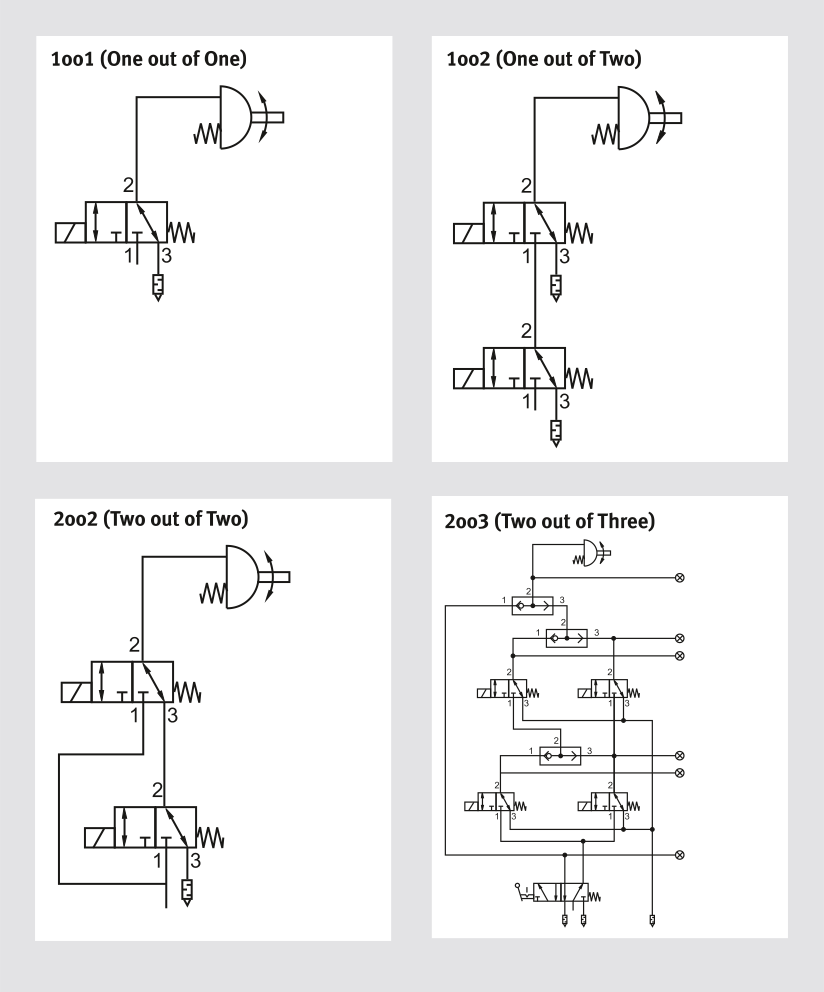
有哪些 SIL 備援解決方案?

Festo 針對每種安全要求都有合適的備援驅動器:
備援 NAMUR 氣路板整合安裝(1oo2、2oo2):NAMUR 氣路板整合安裝允許安裝兩個帶有 NAMUR 孔型的電磁閥,它們透過 NAMUR 介面進行備援接線。這些氣路板整合安裝可具有故障保護功能 (1oo2) 或更高可用性 (2oo2)。您可以透過介面將氣路板整合安裝直接安裝在旋轉驅動器上。也可以使用合適的管道進行單獨安裝。
備援管式氣控閥(1oo2、2oo2):在這些緊湊式系統中,Festo 正在應用歷經長久考驗的 VOFD 閥技術。氣控閥的備援迴路可確保備援故障保護功能 (1oo2) 或為自動化製程閥提供更高的可用性 (2oo2)。得益於 Ematal 塗層,這些氣控閥符合製程工程中的最高安全標準,並能承受最惡劣的環境條件。
混合氣路板整合安裝 (2oo3):2oo3 系統結合了兩種技術,因此提供了最高等級的安全性和可用性。這種氣路板整合安裝是一種整合到您工廠的管式訂製型。根據 VDI/VDE 3845,已安裝的標準閥透過 NAMUR 介面進行定義並安裝在氣路板整合安裝上。這表示氣路板整合安裝一旦安裝,便只需根據使用壽命/安全生命週期規劃透過介面更換氣控閥。此外,利用該系統,四個氣控閥的功能可藉由旁路實現,以便在運作期間進行維護。在氣控閥受壓的情況下,直接安裝在氣路板整合安裝上的壓力錶始終能給予可靠和快速的指示。
誰需要瞭解這些安全知識?
諮詢專家,瞭解 Festo 可以為您提供的服務。分享這個我們推薦的解決方案和範例應用的連結。